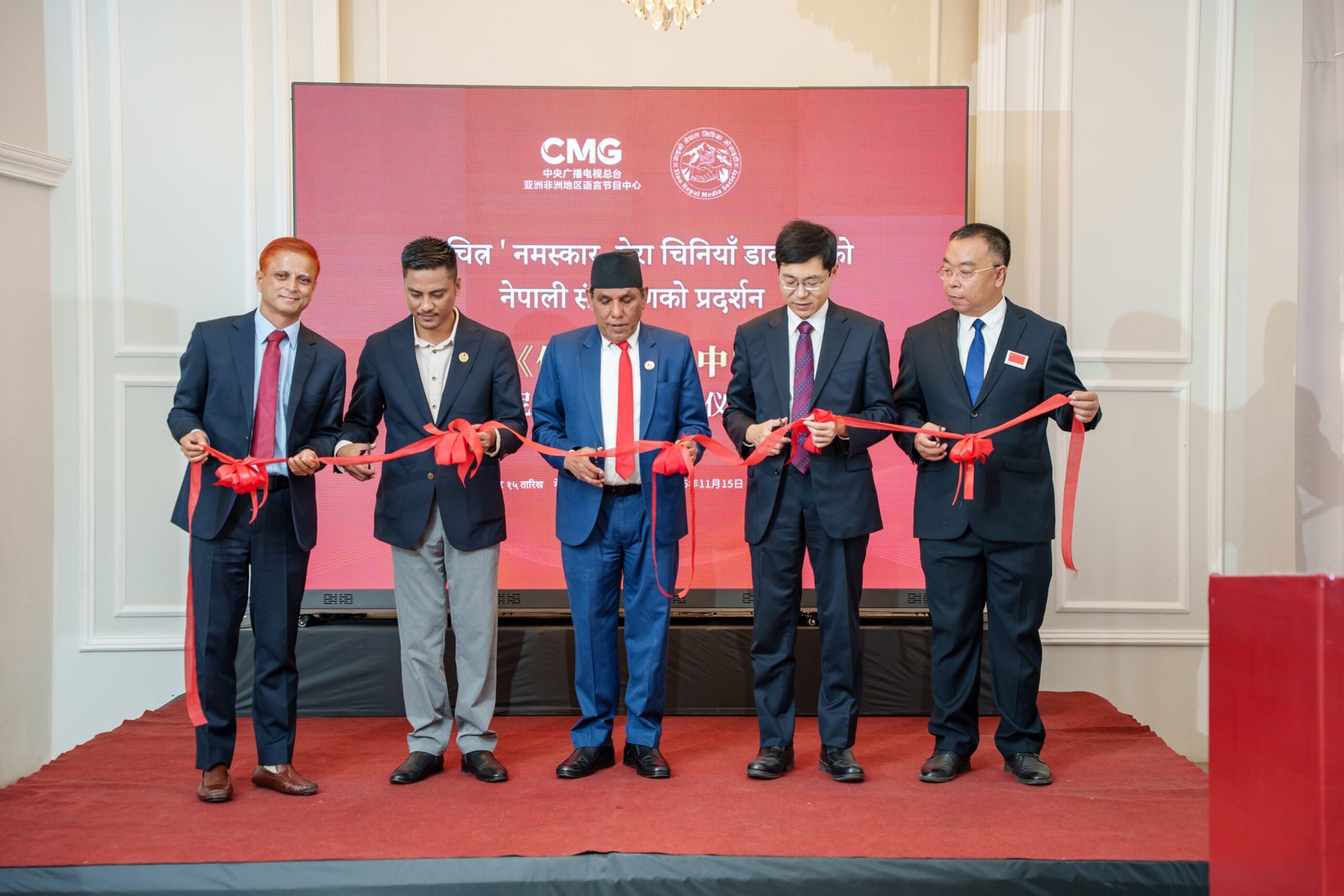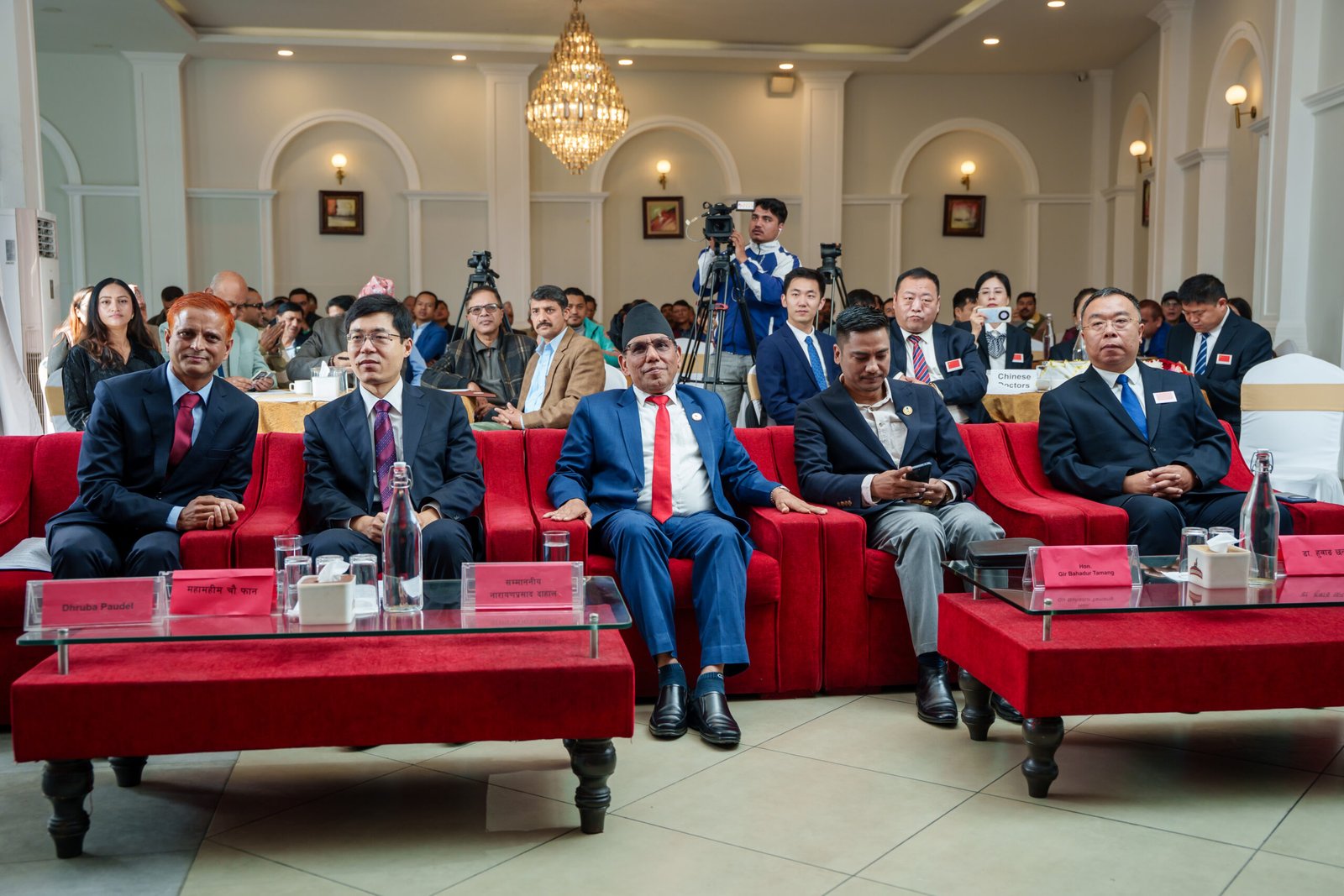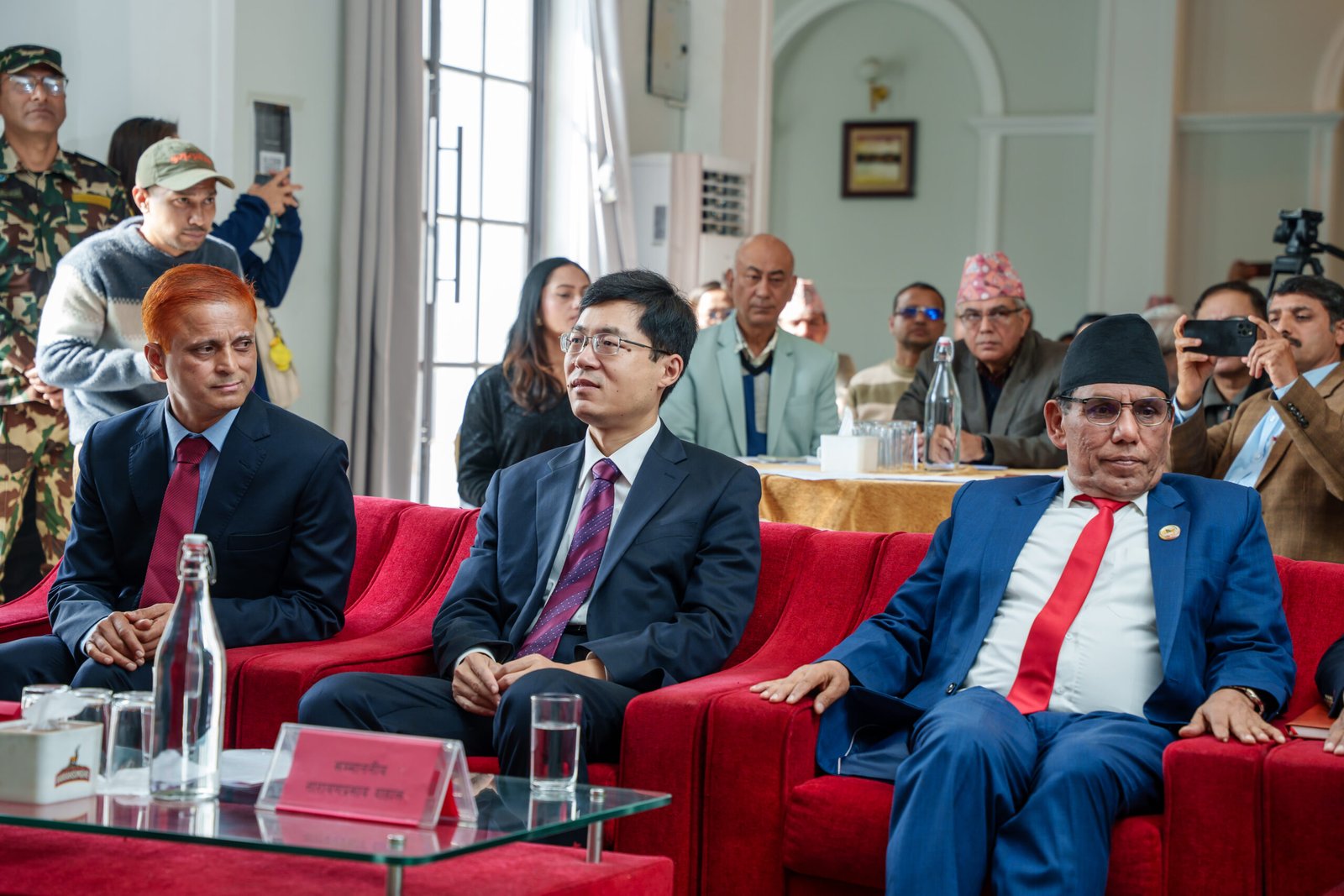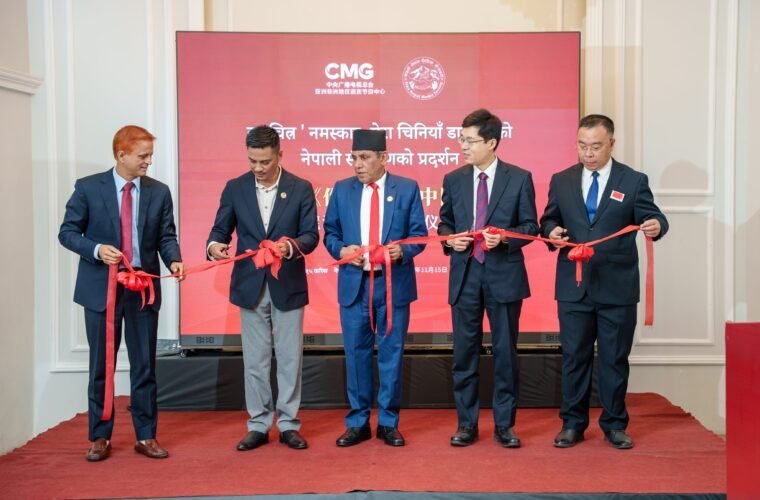
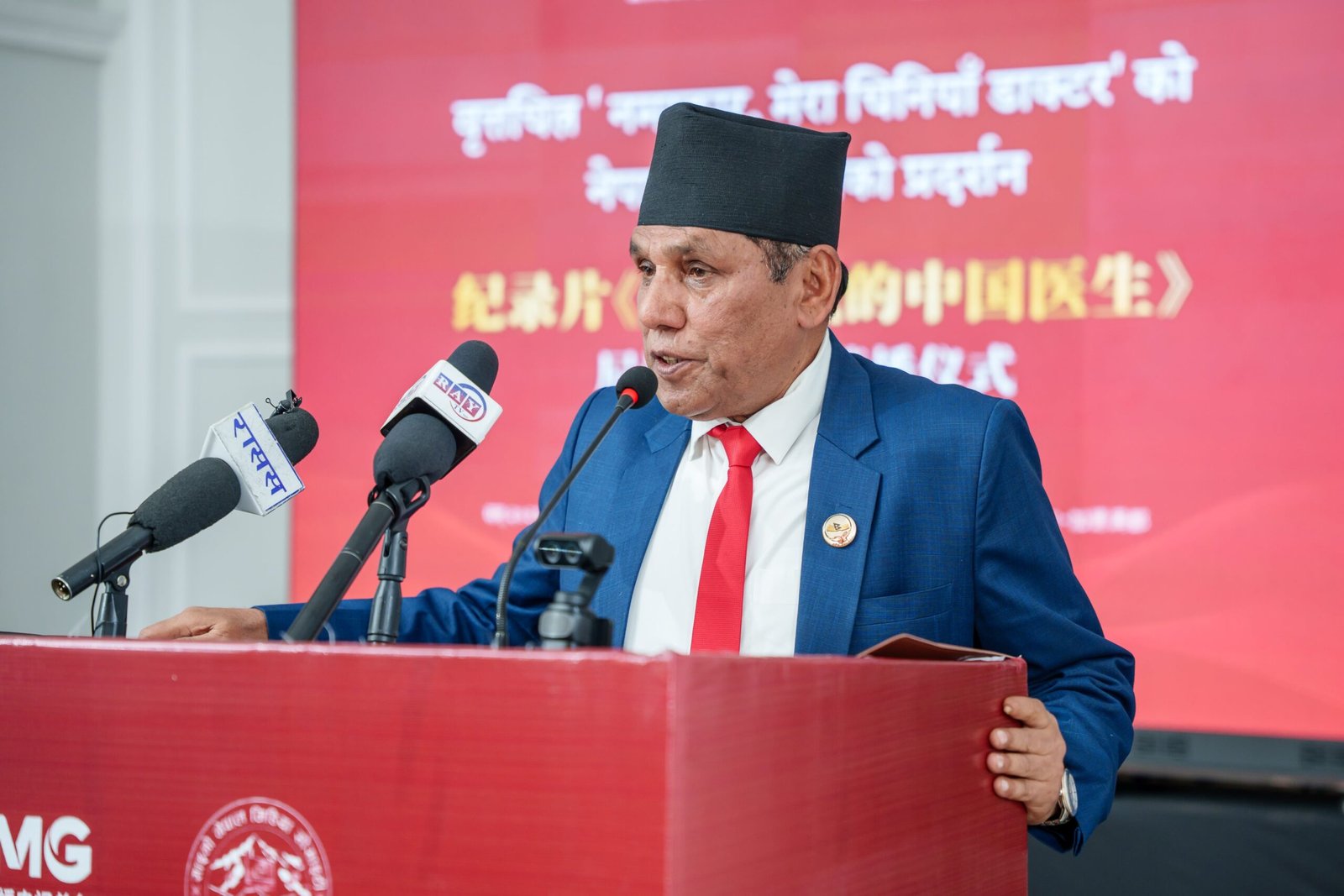
Kathmandu, Nov 15: National Assembly Chairperson Narayan Prasad Dahal has urged the Chinese government to support the development of BP Koirala Memorial Cancer Hospital in Bharatpur, Chitwan, into a national cancer research and academic institute.
Addressing the screening of the documentary ‘Hello, My Chinese Doctor’ in Kathmandu on Sunday, Dahal stressed the need for additional technical assistance, specialist training and academic collaboration to upgrade the hospital and strengthen its institutional capacity.
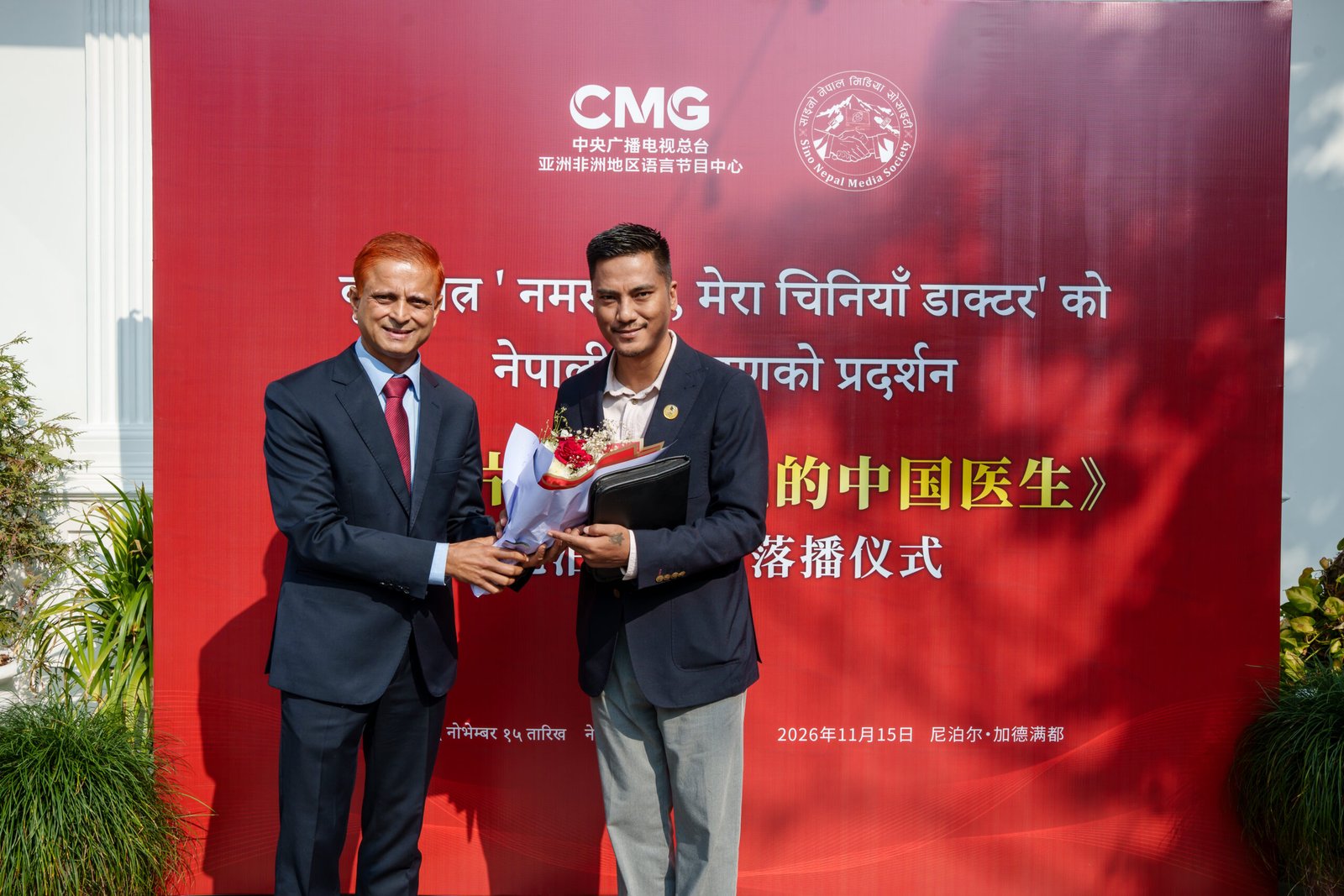
The programme was jointly organised by Saino Nepal Media Society and the Asia and Africa Languages Programme Centre of China Media Group (CMG).
Dahal said the hospital already had the necessary infrastructure, services, institutional experience and national responsibilities to be developed into a specialised cancer research and academic institution. He called on China to extend its support towards achieving this goal.
He described BP Koirala Memorial Cancer Hospital, established in 1999 with Chinese assistance, as an important symbol of Nepal-China friendship.
Initially established with 100 beds, the hospital has now expanded to a 500-bed facility. Dahal said 299 Chinese medical professionals had served in Nepal through successive medical teams, with the 17th Chinese Medical Team currently providing specialised services.
Recalling the agreement to establish the hospital signed between then Nepali Prime Minister Girija Prasad Koirala and Chinese Premier Li Peng in Beijing in 1992, Dahal highlighted its significant role in expanding cancer treatment and modern healthcare services, including bone marrow transplantation.
He said China’s contribution had gone beyond providing hospital buildings and medical equipment, also helping develop the skills of Nepali healthcare professionals, expand treatment services and strengthen professional ties between doctors from the two countries.
Highlighting broader healthcare cooperation, Dahal also acknowledged China’s support in establishing the Civil Service Hospital in Kathmandu and the National Ayurveda Research and Training Centre in Kirtipur.
Praising the dedication, commitment and compassion of Chinese doctors working in Nepal, Dahal said the documentary had vividly portrayed their humanitarian contributions. He said the approximately 12-minute documentary had deeply impressed him, demonstrating that differences in language, geography and culture could never become barriers to humanitarian service.
“Humanitarian service knows no boundaries. Bringing hope and happiness back into the lives of people suffering is the greatest achievement of medical service,” he said.
Dahal also appreciated China’s assistance in rescue operations, relief efforts and the provision of medical supplies during the 2015 earthquake, the COVID-19 pandemic and the floods in the Rasuwa-Bhotekoshi region last September.
As Nepal and China mark more than 70 years of diplomatic relations, he called for further strengthening cooperation in healthcare, education, technology, infrastructure, agriculture, tourism and culture. He also expressed gratitude to Chinese President Xi Jinping, the Chinese government and its people for their contributions to strengthening bilateral relations.
Bagmati minister seeks China’s support for disaster recovery
Speaking at the programme, Bagmati Province Minister for Health and Social Development Gir Bahadur Tamang sought China’s assistance in rebuilding and upgrading healthcare institutions, schools and essential infrastructure damaged by the Bhotekoshi floods and other monsoon-related disasters across 12 districts of the province.
Tamang expressed confidence that China would extend generous support, as it had done during previous difficult periods.
“Just as it has stood with us during difficult times in the past, the Bagmati Provincial Government is confident that friendly China will extend generous assistance and cooperation in rebuilding and upgrading healthcare institutions, schools and essential infrastructure in the 12 disaster-affected districts,” he said.

He praised China’s contribution to Nepal’s healthcare development, particularly its support in strengthening health infrastructure and improving service delivery in Bagmati Province.
Describing BP Koirala Memorial Cancer Hospital as a proud symbol of Nepal-China healthcare cooperation, Tamang said Chinese specialist doctors had made significant contributions to treating Nepali patients since the hospital’s establishment in 1999.
He highlighted their role in performing complex surgeries, transferring modern medical techniques and expanding bone marrow transplantation services in collaboration with Nepali doctors. These services, he said, had benefited cancer patients not only from Bagmati Province but from across the country.
He also noted that thousands of people had benefited from free medical camps and cataract surgeries conducted by Chinese doctors in remote and rural parts of the province.
Expressing confidence that the documentary would highlight the selfless service, dedication and professional expertise of Chinese doctors, Tamang said he hoped cooperation with China would expand further in strengthening the provincial healthcare system, technical training and traditional medicine research.
China expresses commitment to expanding healthcare cooperation
Chinese Embassy Minister Counsellor Zhou Pan said China was willing to further expand healthcare cooperation with Nepal, particularly in public health, medical education, hospital management and telemedicine.
He described healthcare cooperation as an important component of the longstanding friendship between the two countries and reaffirmed China’s commitment to strengthening collaboration in the sector.
According to Zhou, China’s Hebei Province has been sending medical teams to Nepal since 1999. A total of 299 Chinese medical professionals have served in Nepal through 17 teams so far.
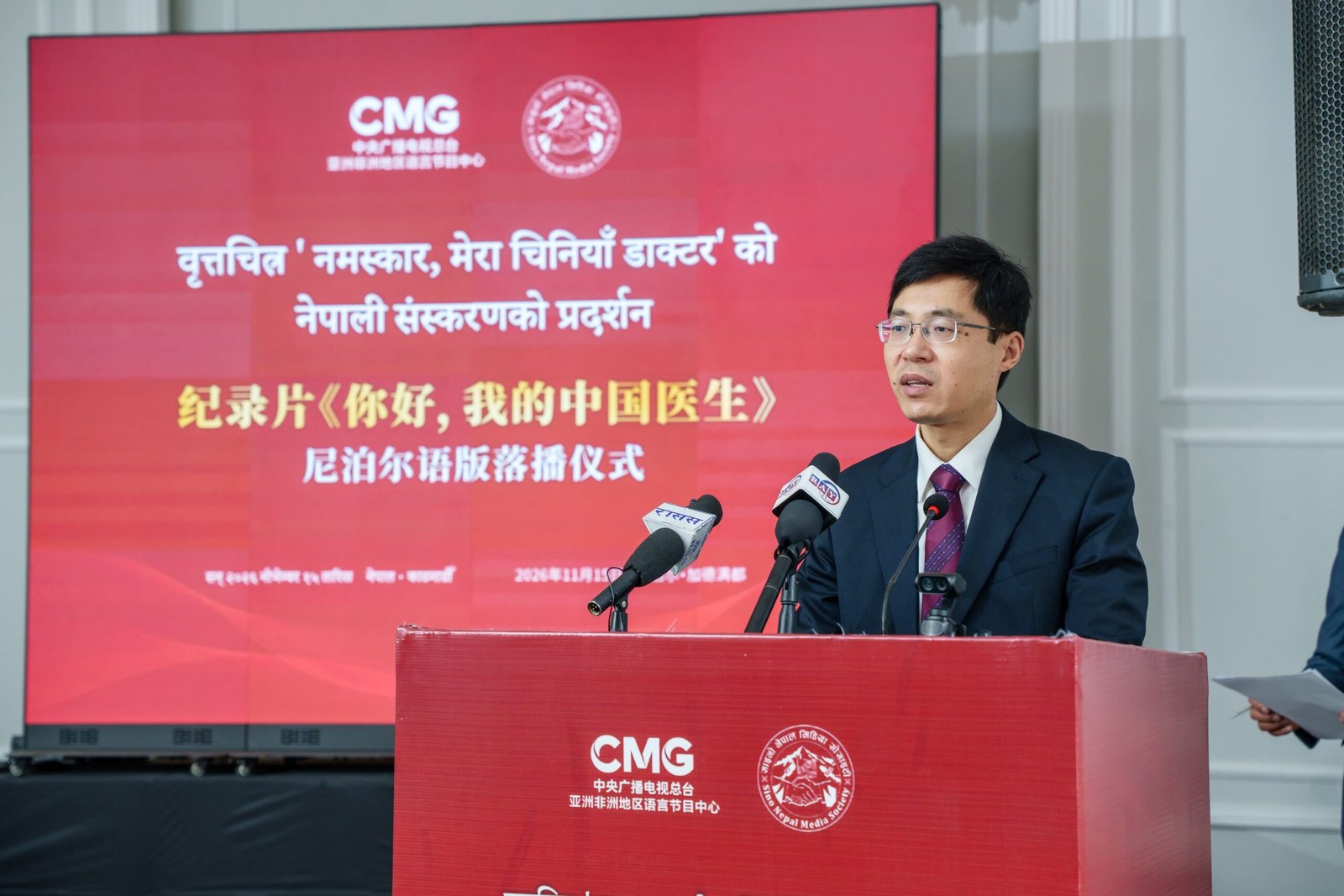
The current 17th team comprises 17 healthcare professionals from leading hospitals in Hebei Province. They are providing services in 12 specialised medical fields at BP Koirala Memorial Cancer Hospital in Chitwan and the Civil Service Hospital in Kathmandu.
Zhou said Chinese doctors had contributed to Nepal’s public healthcare sector over the past 27 years through medical treatment, disease prevention, technological exchanges and capacity-building programmes for local healthcare professionals.
He also highlighted joint free medical camps organised by China’s Tibet Autonomous Region and Nepal since 2016, focusing on Tibetan and modern medical practices. More than 8,000 Nepali citizens have benefited from these programmes so far, he said.
China will continue supporting the development of Nepal’s major healthcare infrastructure and strengthening local medical capacity, Zhou added. He identified cancer hospital development, assistance in establishing the Civil Service Hospital, healthcare training and academic exchanges as key areas of future cooperation.
Wishing for Nepal-China friendship to remain as strong and enduring as the Himalayas, he also extended his best wishes for the success of the documentary screening and promotional campaign.
CMG highlights humanitarian stories of Chinese medical teams
In a video message, An Xiaoyu, editor-in-chief of CGTN under China Media Group and director of its Asia and Africa Languages Programme Centre, said the documentary was jointly produced by China’s National Health Commission and China Media Group.
He thanked everyone involved in filming and broadcasting the documentary and said the production aimed to highlight the importance of China’s medical cooperation with Nepal.
Through real-life stories, the documentary seeks to help audiences understand the compassion, dedication and professional commitment of doctors, as well as the trust and friendship developed between medical professionals and patients.

He expressed hope that viewers would gain a deeper understanding of how Chinese medical teams working overseas bring hope and positive change to ordinary people.
Quoting Chinese President Xi Jinping’s remarks at a national health conference, An said, “The health of everyone is the common aspiration of humanity, and it is necessary to actively promote the building of a community of health for mankind.”
He described the work of Chinese doctors providing medical services overseas as a meaningful example of friendship and humanitarian cooperation between countries.
He also expressed confidence that Nepal-China healthcare cooperation would achieve further progress through joint efforts to address health challenges and protect people’s lives and well-being.
Chinese doctor shares experiences of serving in Nepal
At the programme, Dr. Huang Chen, leader of the 17th Chinese Medical Team in Nepal, shared his experiences of providing healthcare services in the country.
He said the Chinese medical team had trained more than 500 Nepali healthcare professionals in various medical techniques and procedures over the past year.
Speaking about his experiences at BP Koirala Memorial Cancer Hospital in Chitwan, Huang highlighted the team’s collaboration with Nepali doctors in patient treatment, technology transfer and specialist training.
According to him, the Chinese team has introduced around 10 new medical techniques to Nepali healthcare professionals. Nepali doctors have also begun independently performing procedures such as PICC line placement, basic acupuncture and herbal medicine administration.
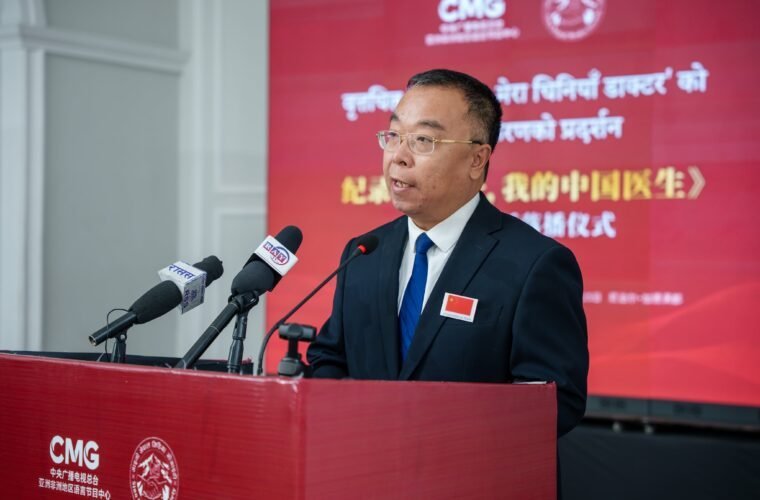
Sharing the story of a young woman suffering from lymphoma who had travelled from the Jhimruk area of Pyuthan for treatment, Huang described how Chinese and Nepali doctors worked together to save her life.
The patient, who had previously attended a free medical camp organised by a Chinese medical team in her village four years earlier, travelled to BP Koirala Memorial Cancer Hospital after her condition deteriorated.
Huang said her abdominal tumours disappeared following four cycles of chemotherapy administered through the joint efforts of Chinese and Nepali doctors.
He also highlighted the medical team’s continued efforts to conduct free health camps and public awareness programmes in remote and rural communities despite difficult roads, long distances and language barriers.
Reflecting on his professional experience in Nepal, Huang said working with limited resources had taught him valuable lessons, while the dedication and professionalism of Nepali healthcare workers had deeply inspired him.
He reaffirmed his commitment to strengthening medical collaboration with Nepali colleagues and helping develop specialist treatment capabilities within Nepal.
What does the documentary portray?
The documentary ‘Hello, My Chinese Doctor’ is a joint production of China’s National Health Commission and China Media Group. It highlights the dedication and humanitarian efforts of Chinese doctors working to treat patients and save lives.
Featuring the experiences of a Chinese doctor serving in Nepal, the documentary presents stories of medical cooperation, professional commitment and personal connections developed between Chinese healthcare professionals and Nepali communities.
It primarily showcases Chinese doctors working alongside Nepali medical professionals in hospitals, treating patients suffering from cancer and other illnesses, and sharing modern medical techniques through training programmes.
The documentary also features free medical camps conducted in remote and rural areas, where Chinese medical teams bring healthcare services closer to communities with limited access to medical facilities.
Through the doctor’s personal experiences, it highlights the dedication of Nepali healthcare professionals despite limited medical resources and the importance of cooperation in improving healthcare services.
The documentary further captures the emotional bond between doctors and patients, including the gratitude and happiness expressed by patients following successful treatment.
Overall, the production highlights the growing medical partnership between Nepal and China, the exchange of medical knowledge and expertise, humanitarian service and the enduring friendship between the peoples of the two countries.