BBC: Three days into the US strikes on Iran, President Donald Trump’s war aims and vision for the future of the country remain opaque.
Trump and senior administration officials have offered a wide range of views about what they hope to achieve in the largest American military operation in the Middle East in two decades – and whether or not the US supports regime change in Tehran.
The administration initially said its goal was to destroy Iran’s nuclear programme. But in the hours and days since, the rationale has shifted as Trump used an unconventional messaging strategy of social media posts and brief telephone interviews with reporters to signal his intentions.
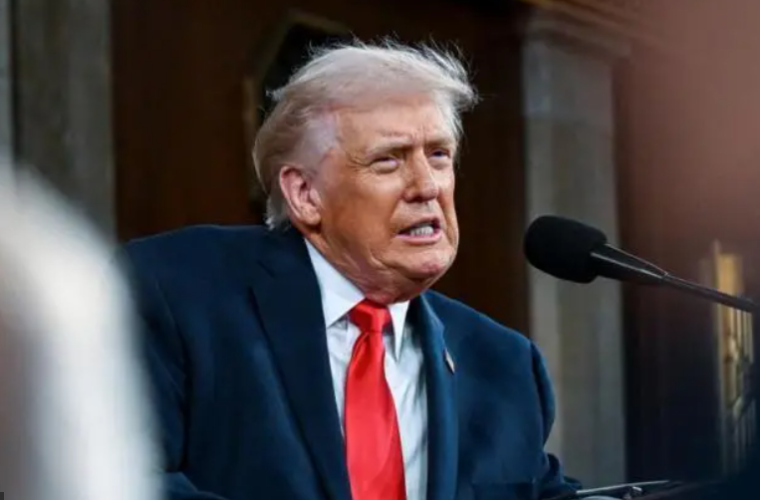
Trump laid out some of his objectives on Monday in his first public remarks at the White House since the start of the war.
The US is seeking to destroy Iran’s ballistic missile capabilities and navy, its ability to develop nuclear weapons, and support for proxy groups in the region, Trump said. He argued the broader purpose of the war was to protect the US and its allies from attacks by Iran.
“An Iranian regime armed with long-range missiles and nuclear weapons would be an intolerable threat to the Middle East, but also to the American people,” Trump said.
But Trump made no mention of what Iran’s future might look like after the war ends, or why he believed the country would no longer pose a threat to the US once this operation is completed.
The remarks on Monday were a departure from his initial comments after launching the attack. On Saturday, Trump urged Iranians to “take back your government,” which was widely interpreted as an implicit call for the overthrow of the regime led for decades by Supreme Leader Ayatollah Ali Khamenei.
Trump touted Khamenei’s death over the weekend, but is yet to give a sense of what he believes the succession plan should be.
“The attack was so successful it knocked out most of the candidates,” he told ABC News on Sunday night. “It’s not going to be anybody that we were thinking of because they are all dead. Second or third place is dead.”
Trump’s positions have at times seemed at odds with other top administration officials, including Secretary of Defense Pete Hegseth.
Hegseth, speaking on Monday just hours before Trump’s remarks at the White House, rejected the idea that the US attacked Iran with the express goal of toppling the regime.
“This is not a so-called regime change war, but the regime sure did change,” Hegseth said during a news conference with General Dan Caine, chair of the Joint Chiefs of Staff.
Hegseth said Operation Epic Fury would be a success, but he did not offer details on the scope or duration of the conflict. His confidence contrasted with remarks by Gen Caine, who offered a more sober assessment.