BBC: The release of thousands of pages of documents related to the late sex offender Jeffrey Epstein’s abuse has left some who were anxiously awaiting the files disappointed.
The documents’ release was prompted by an act of Congress that directed the US Justice Department (DOJ) to make materials related to Epstein’s crimes public. But some documents have numerous redactions, and others have not been shared publicly at all.
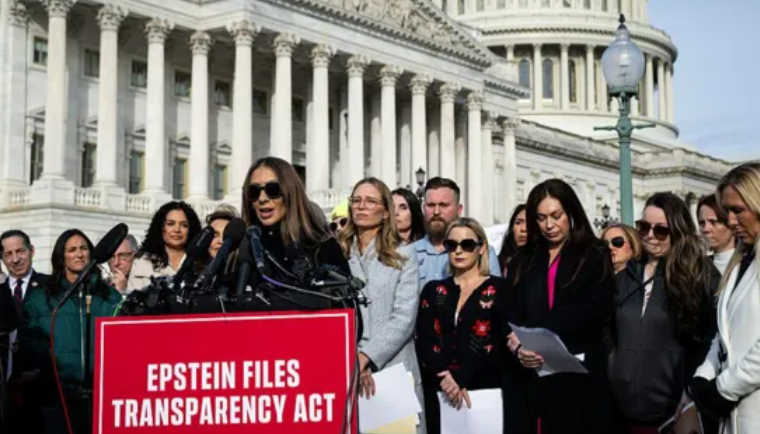
The lawmakers who pushed for these documents to see the light of day have said the release is incomplete and described the Justice Department’s efforts as insincere.
Some legal experts also warned that the breadth of redaction may only fuel ongoing conspiracy theories.
But Deputy US Attorney Todd Blanche said on Friday – the day the materials were released – that the department identified more than 1,200 Epstein victims or their relatives, and withheld material that could identify them.
Among the latest released information is a photo of Epstein confidante Ghislane Maxwell outside Downing Street, a document that claims Epstein introduced a 14-year-old girl to US President Donald Trump at Mar-a-Lago, and multiple images of former President Bill Clinton.
Trump has consistently denied any wrongdoing in relation to Epstein and has not been accused of any crimes by Epstein’s victims. Clinton has never been accused of wrongdoing by survivors of Epstein’s abuse, and has denied knowledge of his sex offending.
Other released photos show the interiors of Epstein’s homes, his overseas travels, as well as celebrities, including Andrew Mountbatten-Windsor, Mick Jagger, Michael Jackson, Diana Ross and Peter Mandelson.
Being named or pictured in the files is not an indication of wrongdoing. Many of those identified in the files or in previous releases related to Epstein have denied any wrongdoing. But many of the documents are also heavily redacted.
The Justice Department said it would comply with the congressional request to release documents, with some stipulations.
It redacted personally identifiable information about Epstein’s victims, materials depicting child sexual abuse, materials depicting physical abuse, any records that “would jeopardize an active federal investigation” or any classified documents that must stay secret to protect “national defense or foreign policy”.