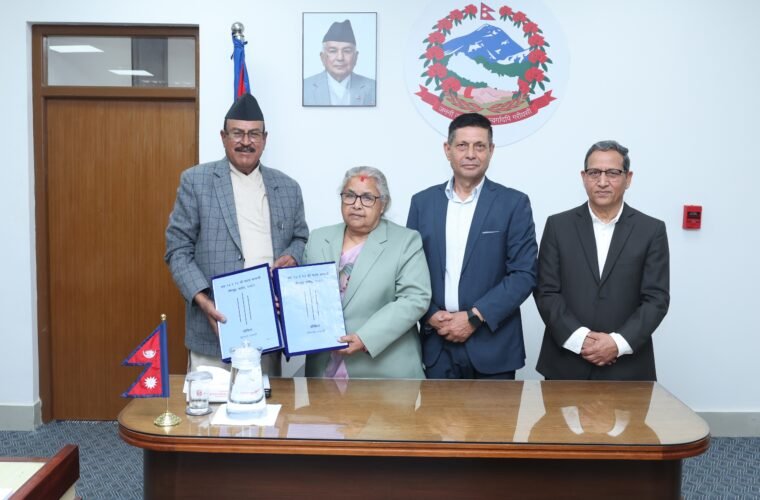
Kathmandu, March, 25: The investigation report into the Bhadra 23–24 Gen-Z protests, led by Gauri Bahadur Karki, has been made public, revealing serious findings and recommending legal action against high-ranking political and security officials.
The report links multiple key figures to the incident, including RSP Chairman Rabi Lamichhane, former Prime Minister KP Sharma Oli, and Nepali Congress leader Sher Bahadur Deuba. It recommends filing criminal cases against officials ranging from political leadership to police authorities.
According to the report, former Prime Minister Oli, Home Minister Ramesh Lekhak, and then Inspector General of Police Chandra Kuber Khapung should be investigated and prosecuted under provisions of the National Penal Code, 2017. The commission concluded that negligence and irresponsible conduct by top officials contributed to heavy human casualties.
The commission has also recommended action against senior Nepal Army officers, including Major Generals Diwakar Khadka and Ganesh Khadka, along with Santosh Dhungel, citing lapses in security management.
In his statement, IGP Khapung defended the decision not to order gunfire, warning that such a move could have triggered an “unimaginable massacre.” He maintained that field officers were authorized to act as per legal provisions depending on the situation.
Chief of Army Staff Ashok Raj Sigdel told the commission that the army prioritized human safety and played a key role in protecting critical infrastructure, including the President’s residence, Prime Minister’s residence, Tribhuvan International Airport, and key data centers in Singha Durbar.
Meanwhile, Nakhu Prison jailer Satya Raj Joshi testified that a mob used threats and intimidation to secure the release of Rabi Lamichhane. He said he was forced to sign an unknown document under life-threatening conditions, rendering it legally invalid.
The report also notes that protesters vandalized the prison gate while chanting slogans demanding Lamichhane’s release.
The commission concluded that the Nepal Army’s response was not sufficiently effective, highlighting delays in decision-making despite constitutional provisions requiring timely mobilization through the National Security Council and Cabinet.